





Act

The term ‘Act’ refers to an Act of Parliament that either creates a new law or changes in some way an existing one. The government is responsible for enforcing new laws once they have been passed by Parliament. Acts of Parliament comprise the UK’s statute law.
An Act is different from a Bill in that it has been approved by both chambers – the House of Commons and House of Lords – and is given Royal Assent.
Once it has been passed, an Act can either come into force with immediate effect, or at a specified future date, or it can be introduced in stages.
To change an existing law, another Act or delegated legislation must be passed, or an Act can be repealed so that it no longer applies.
Almost all current Acts of Parliament are available to read on the Legislation.gov.uk website.
Some of the most relevant Acts realting to construction and the built environment include:
- Clean Air Act.
- Energy act of 2011.
- Environmental Protection Act.
- Flood and Water Management Act.
- Growth and Infrastructure Act 2013.
- Housing Act 1996.
- Housing Act 2004.
- Housing and Planning Act 2016
- Housing Grants, Construction and Regeneration Act HGRA.
- Law of Property Act 1925 Receiver.
- Local Democracy Economic Development Act 2009.
- Localism Act.
- Party Wall Act.
- Planning Act 2008.
- Planning and Compensation Act 1991.
- Town and Country Planning Act.
- Unfair contract terms act.
- Wildlife and Countryside Act.
For more information see: https://www.designingbuildings.co.uk/wiki/Category:Other_legislation
NB Hybrid bills mix the characteristics of public and private Bills. The provisions in a
hybrid bill would affect the general public, but would also have particular effects on
specific individuals or groups.
[edit] Related articles on Designing Buildings Wiki
Featured articles
Check out some of the best features and news from Designing Buildings as well as key stories from around the web.

New guidance published on competence requirements for self-certification schemes.
Construction Management, 8 July

NEETs crisis drives interest in trades, but apprenticeships barriers remain.
Passive fire protection webinar
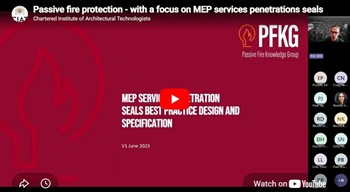
MEP services penetration seals.

Where its at podcast (and video) - The role of the Architectural Technologist as an Expert Witness.
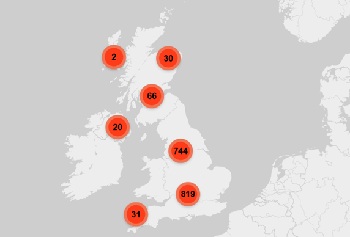
More than 200 remarkable buildings added to SAVE’s Buildings at Risk register.

Government scraps pre-application consultation for Nationally Significant Infrastructure Projects.
Historic England and infrastructure
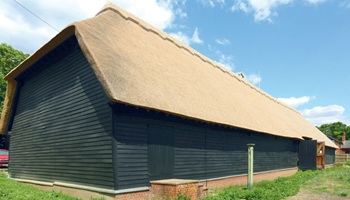
New projects offer opportunities for the historic environment and local communities.
Construction Management, 2 July

Construction deaths halve in two years.
Green Book changes to drive investment in all parts of UK.
Minimum energy efficiency standards (MEES)

CIAT briefing on response to consultations for privately rented non-domestic properties.
Connect, collaborate, shape the future

Registration now live for UK Construction Week Birmingham.

CIOB announces Saul Humphrey FCIOB as new President for 26/27 term.